Different packaging configurations
Review loose, crated or palletized parts before selecting handling arrangements.
Move imported parts from U.S. arrival into warehouse, domestic transport or customer receiving.
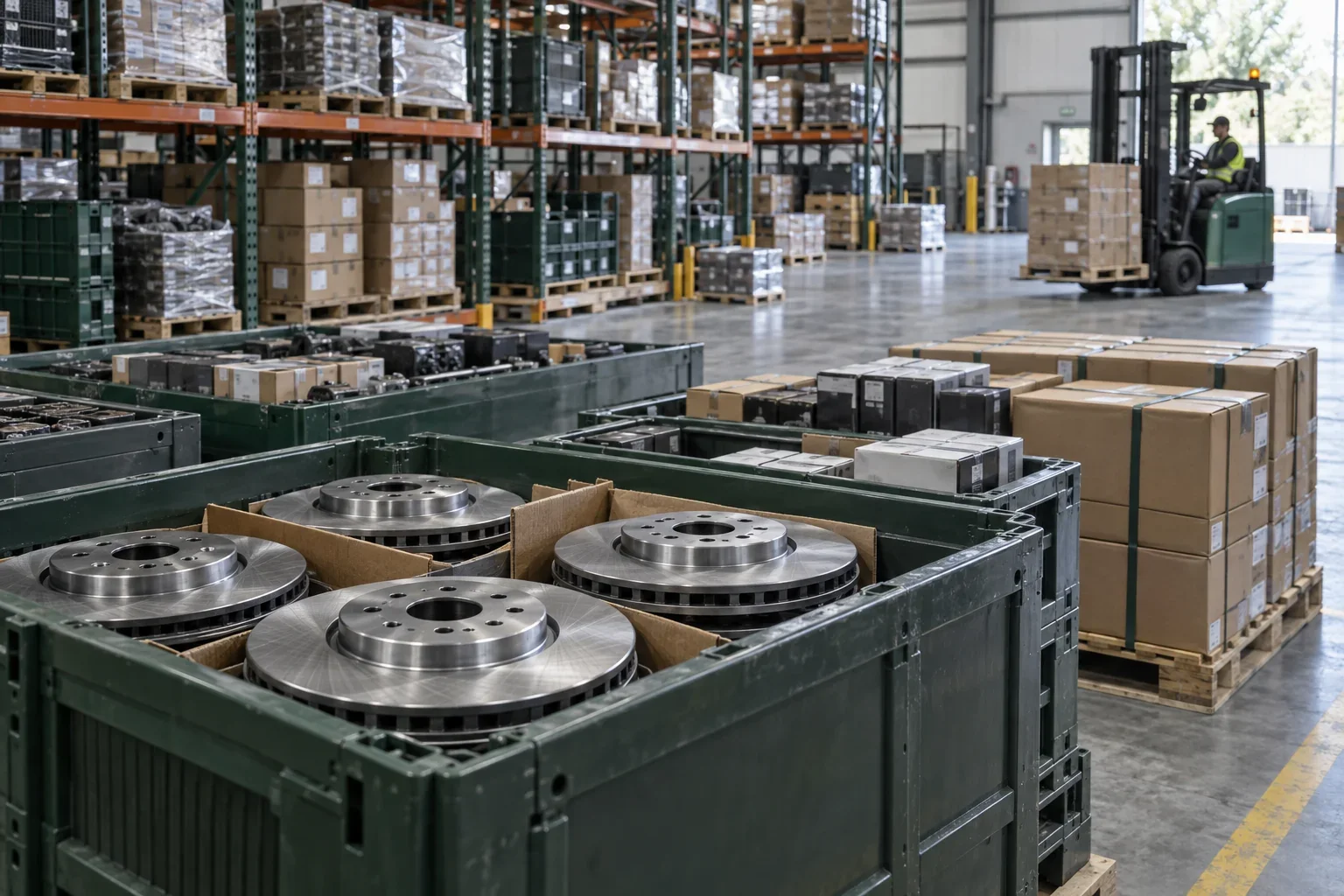
For commercial parts shipments that need handling, staging or distribution after import arrival.
Review loose, crated or palletized parts before selecting handling arrangements.
Organize staging and dispatch around destination quantities and release instructions.
Evaluate arrival, domestic transport and receiving requirements together.
Move imported parts from U.S. arrival into warehouse, domestic transport or customer receiving.
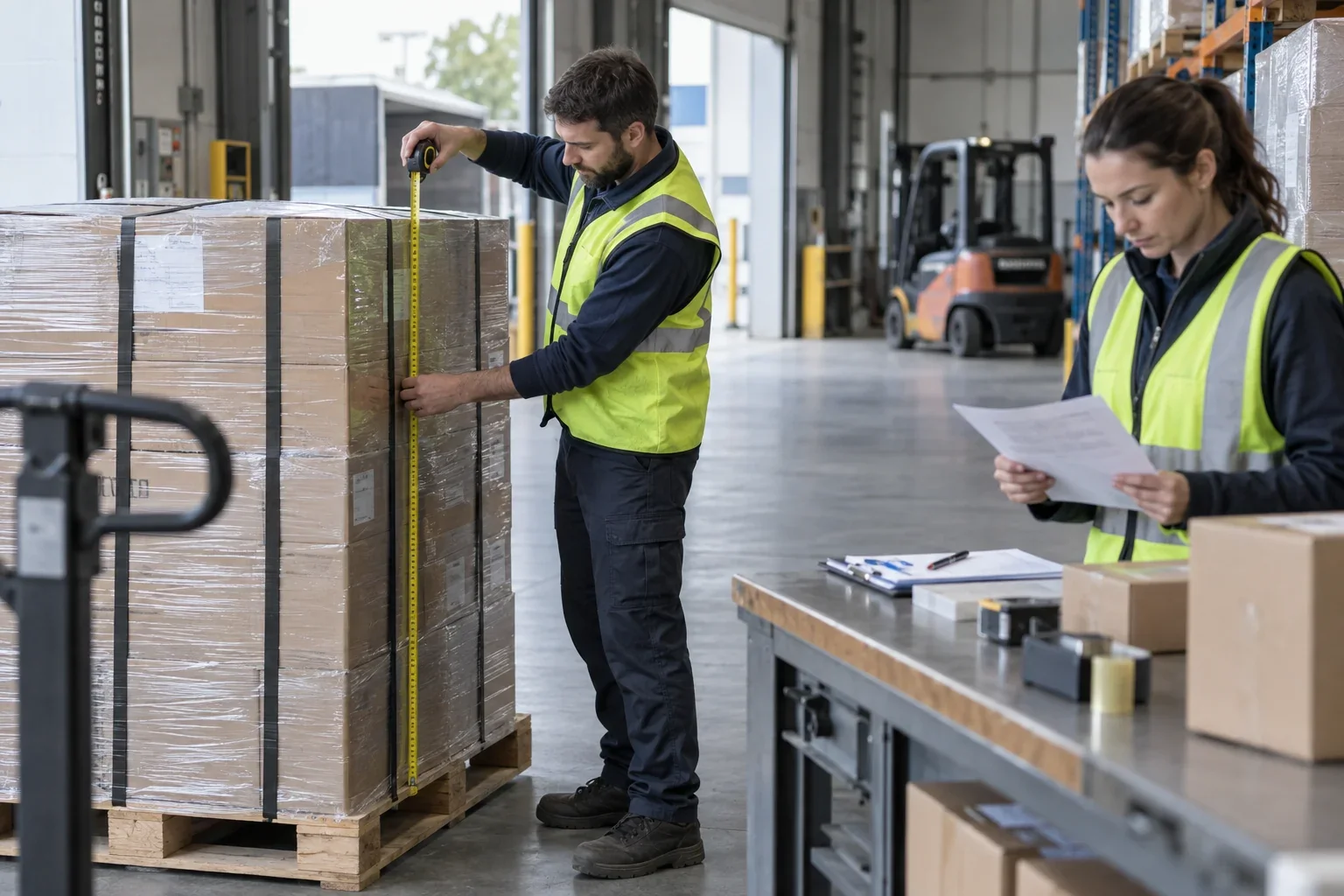
Work from the agreed shipment and destination plan.
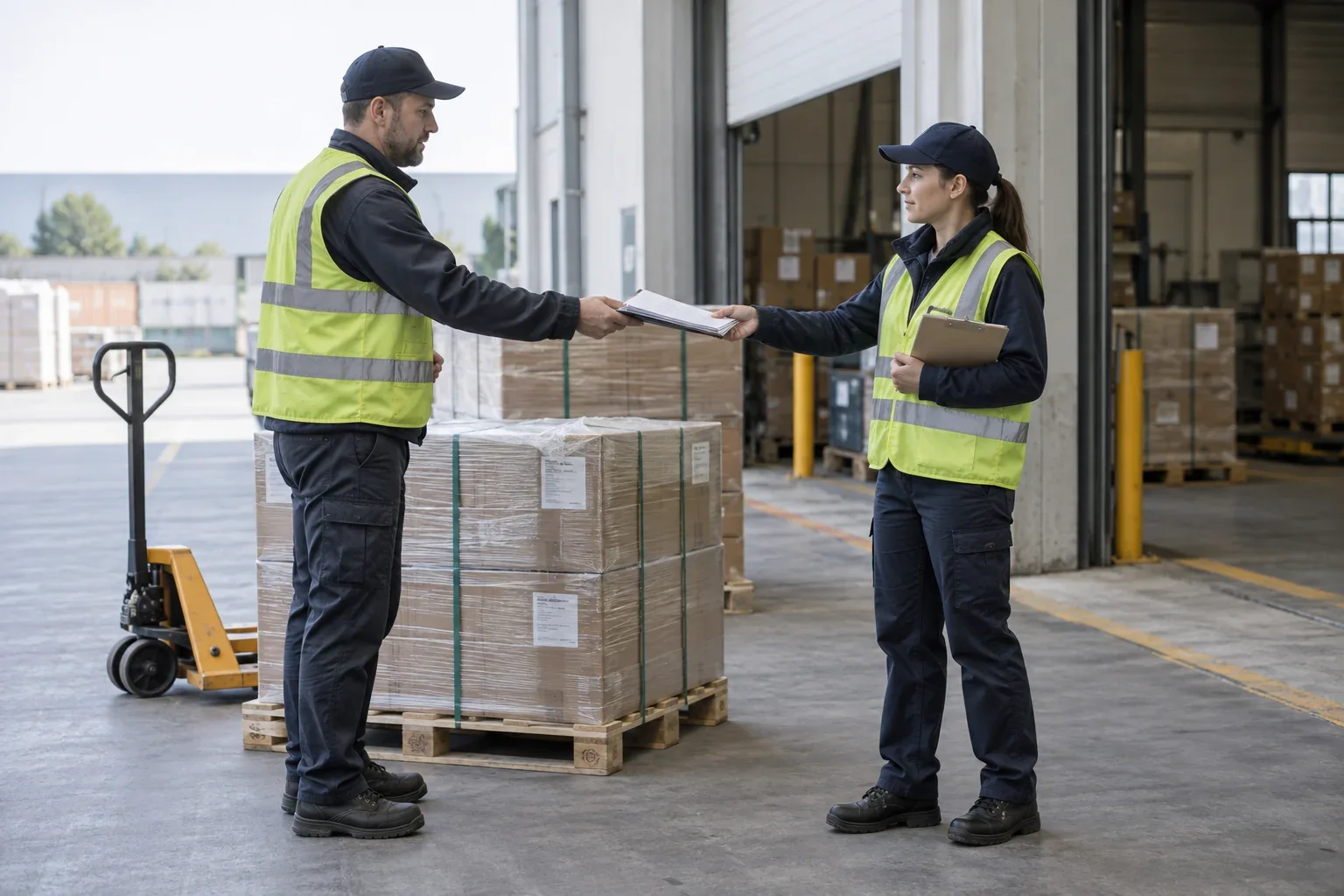
Confirm pickup and inbound handling requirements.
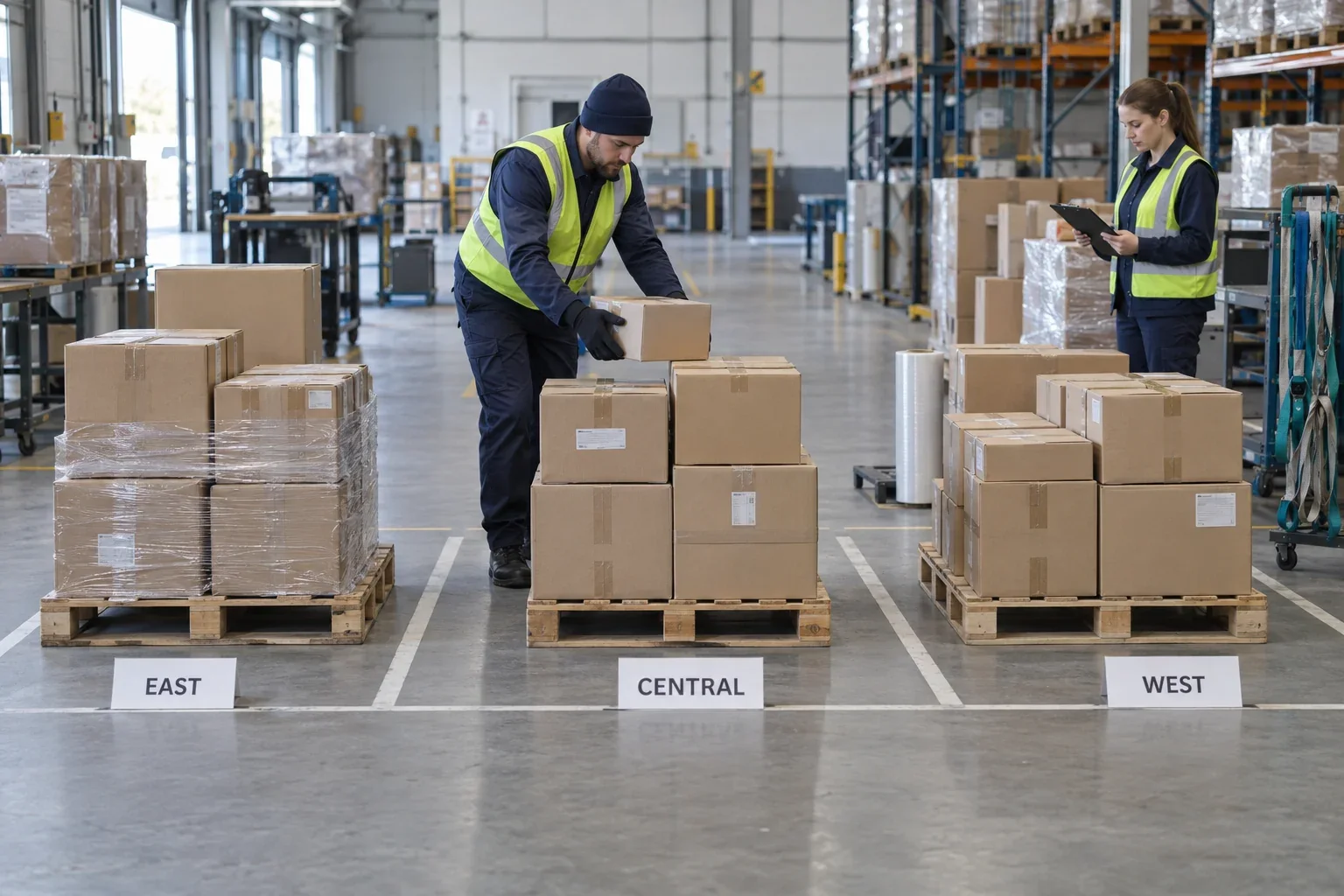
Organize cargo according to the reviewed distribution instructions.
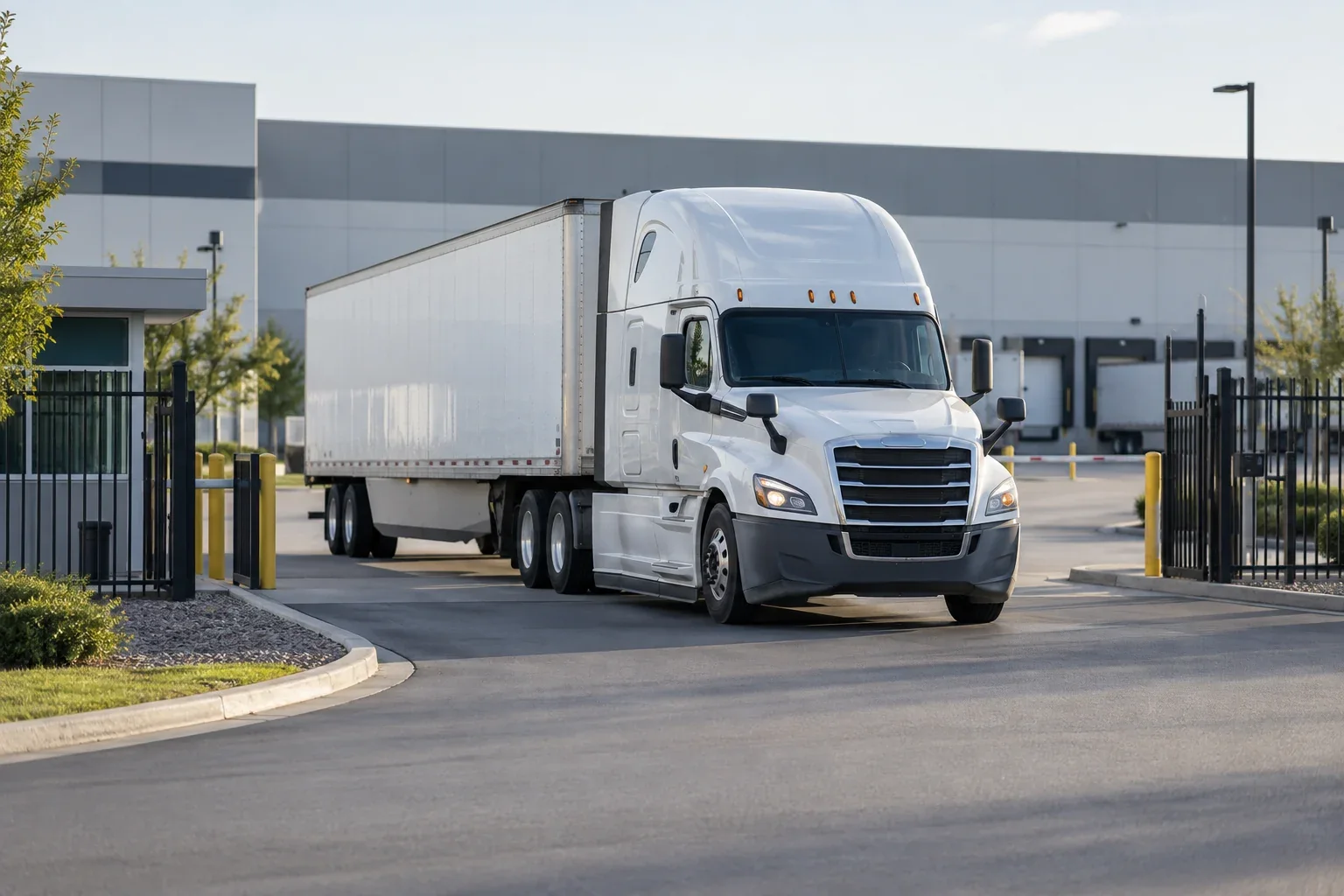
Connect warehouse release with domestic freight.
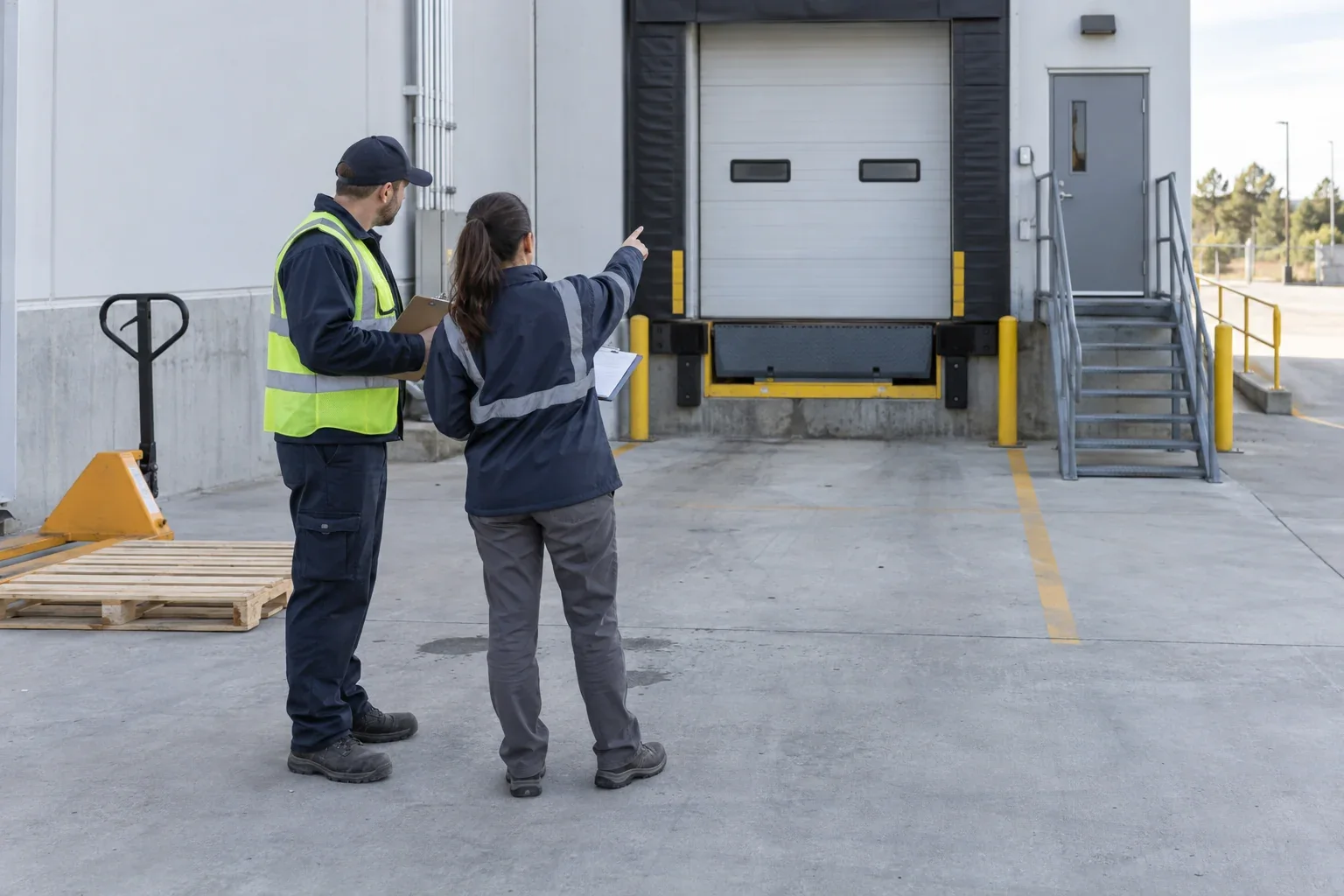
Review appointments and unloading arrangements.
Describe the actual parts and any special cargo characteristics before the shipment is accepted. Handling requirements are reviewed for the specific commodity, packaging and route.
Select the operating point around your arrival gateway, cargo and destination.
Connect the operating stages around your cargo, route and receiving requirements.
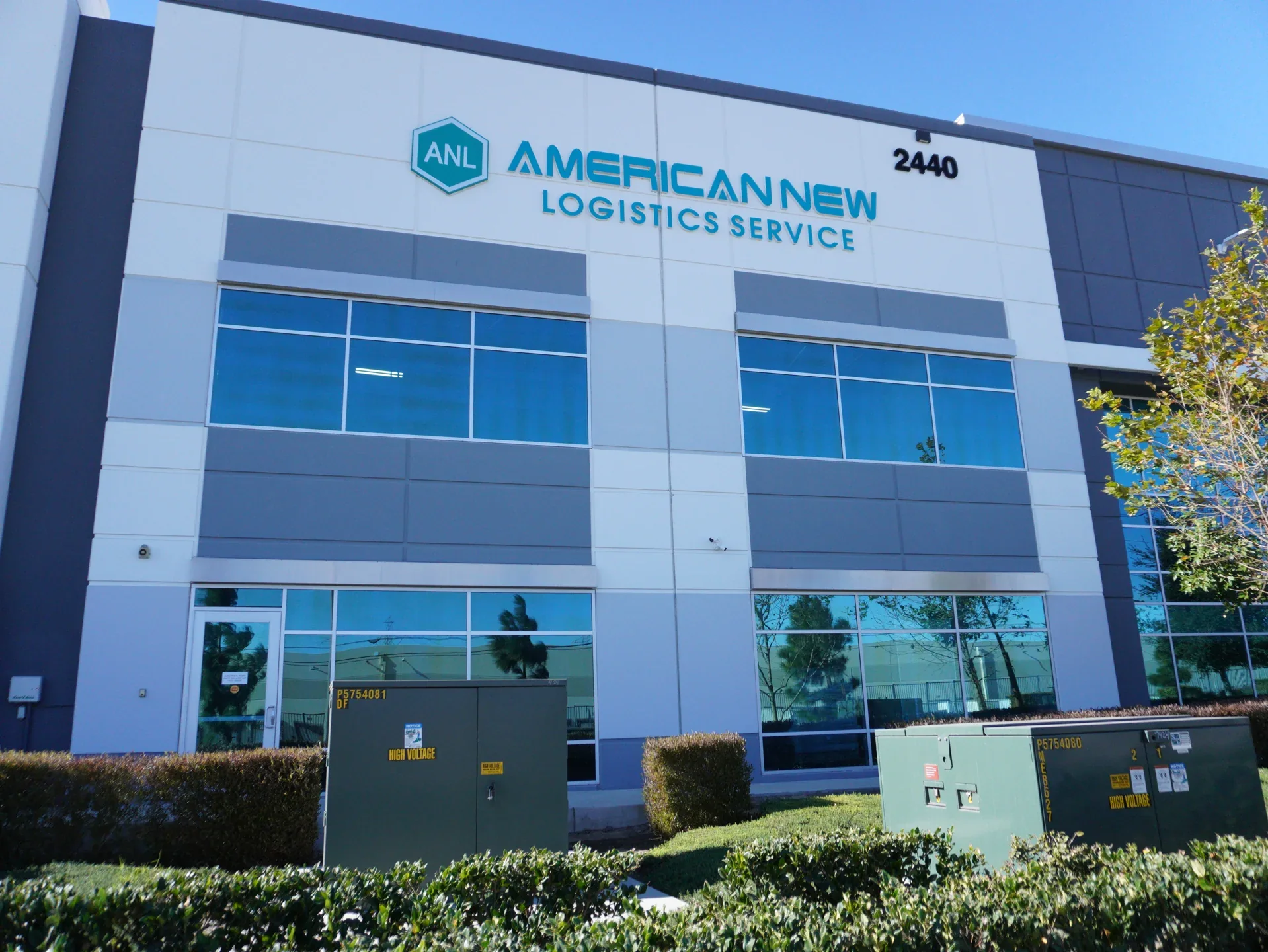
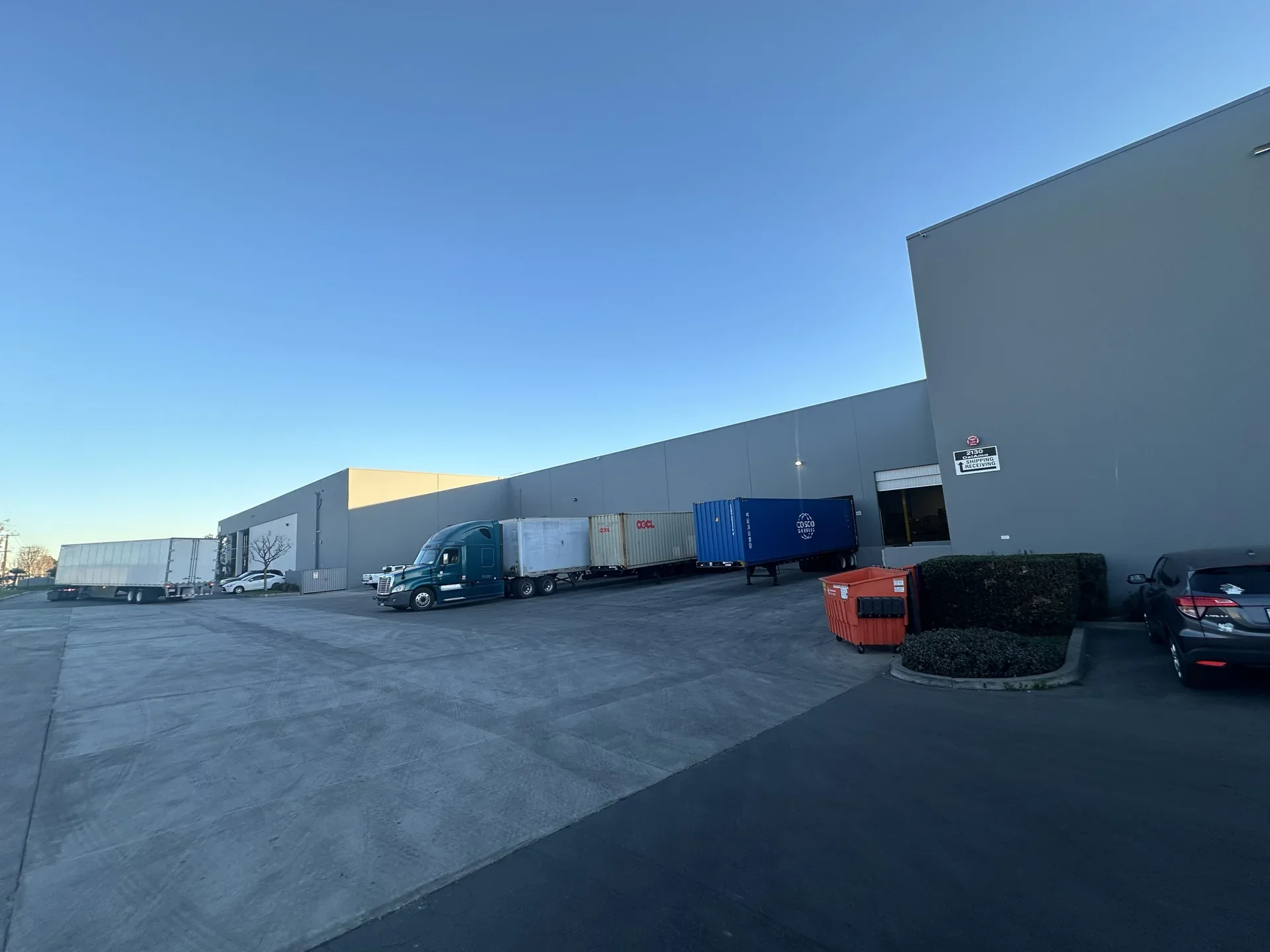
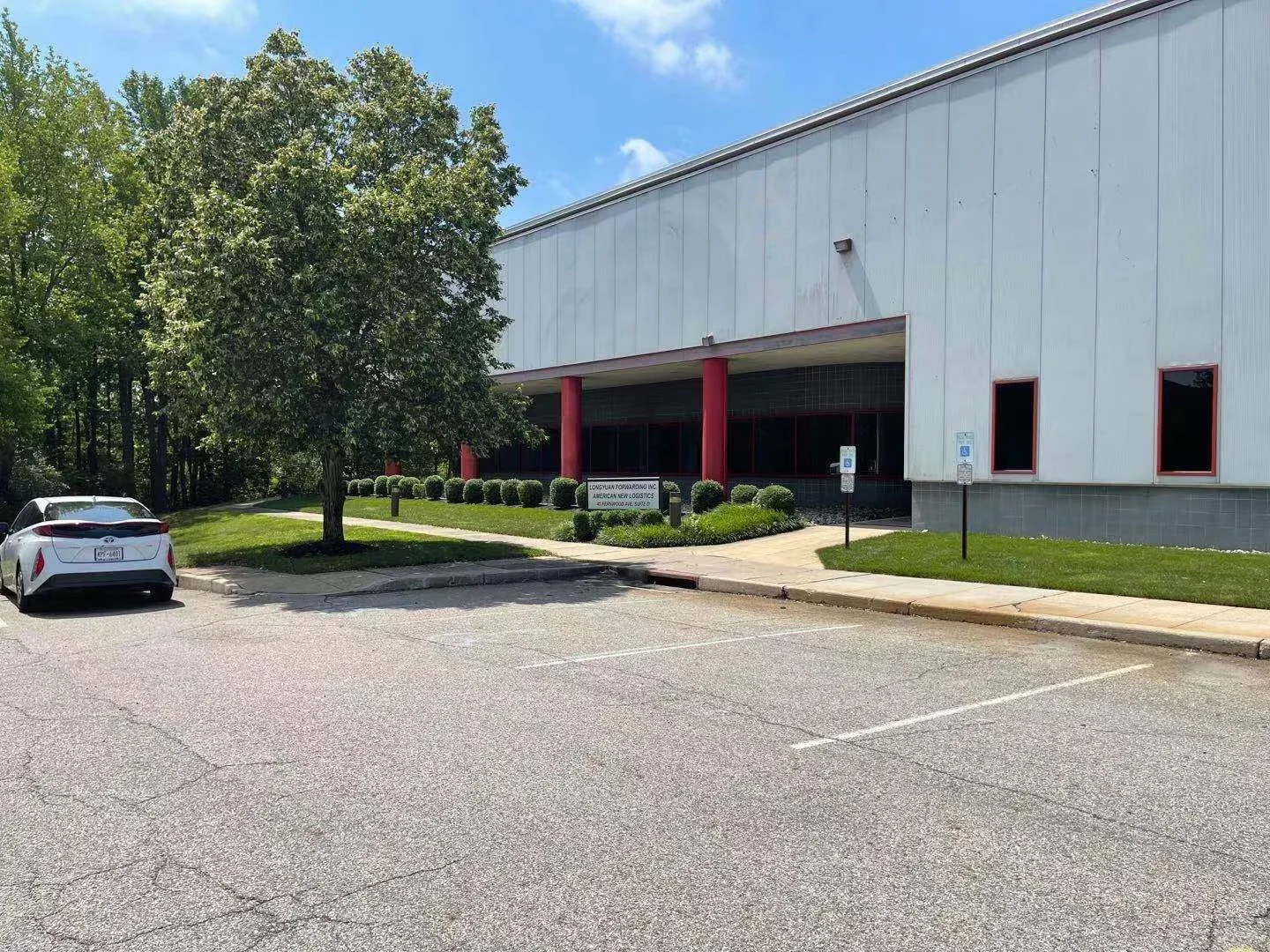
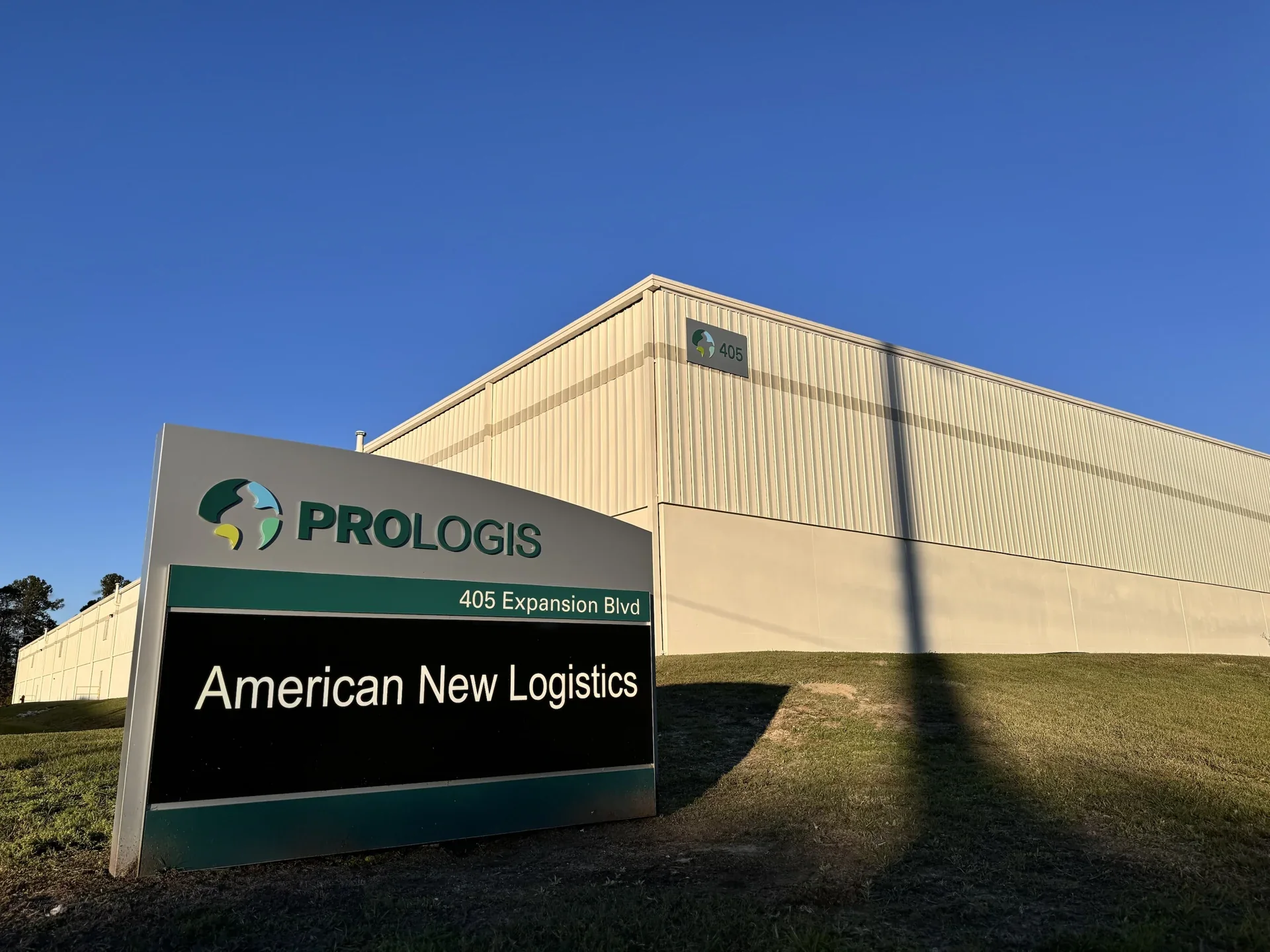
Coordinate through Southern California, New Jersey and Savannah operating locations.
Bring pickup, handling, storage and delivery into one agreed operating scope.
Plan palletized freight, LTL, FTL and final delivery around destination needs.
Connect arrival instructions with warehouse releases and the final receiving handoff.
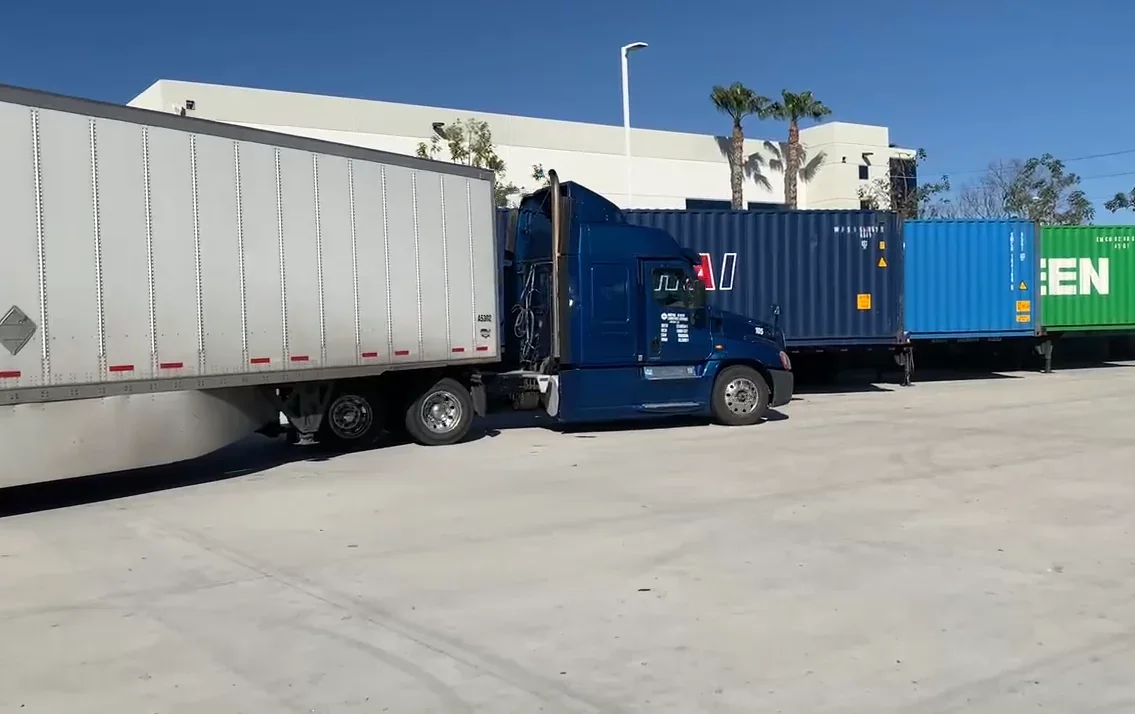
An alternative ocean and domestic transport plan connected imported auto parts with Texas.
Why it matters: the case illustrates an alternative routing plan for imported parts.
Share the parts, shipment size, destinations and expected release schedule.
Have ready: part description, packaging, quantities, route, arrival details, distribution plan and receiving points.