LTL Freight
Move palletized and partial loads using shared truck capacity, with routing based on size, weight and delivery requirements.
Move palletized and full-truckload freight across the U.S. with ANL’s own trucking operations and partner carrier network—from warehouse transfers to commercial delivery.
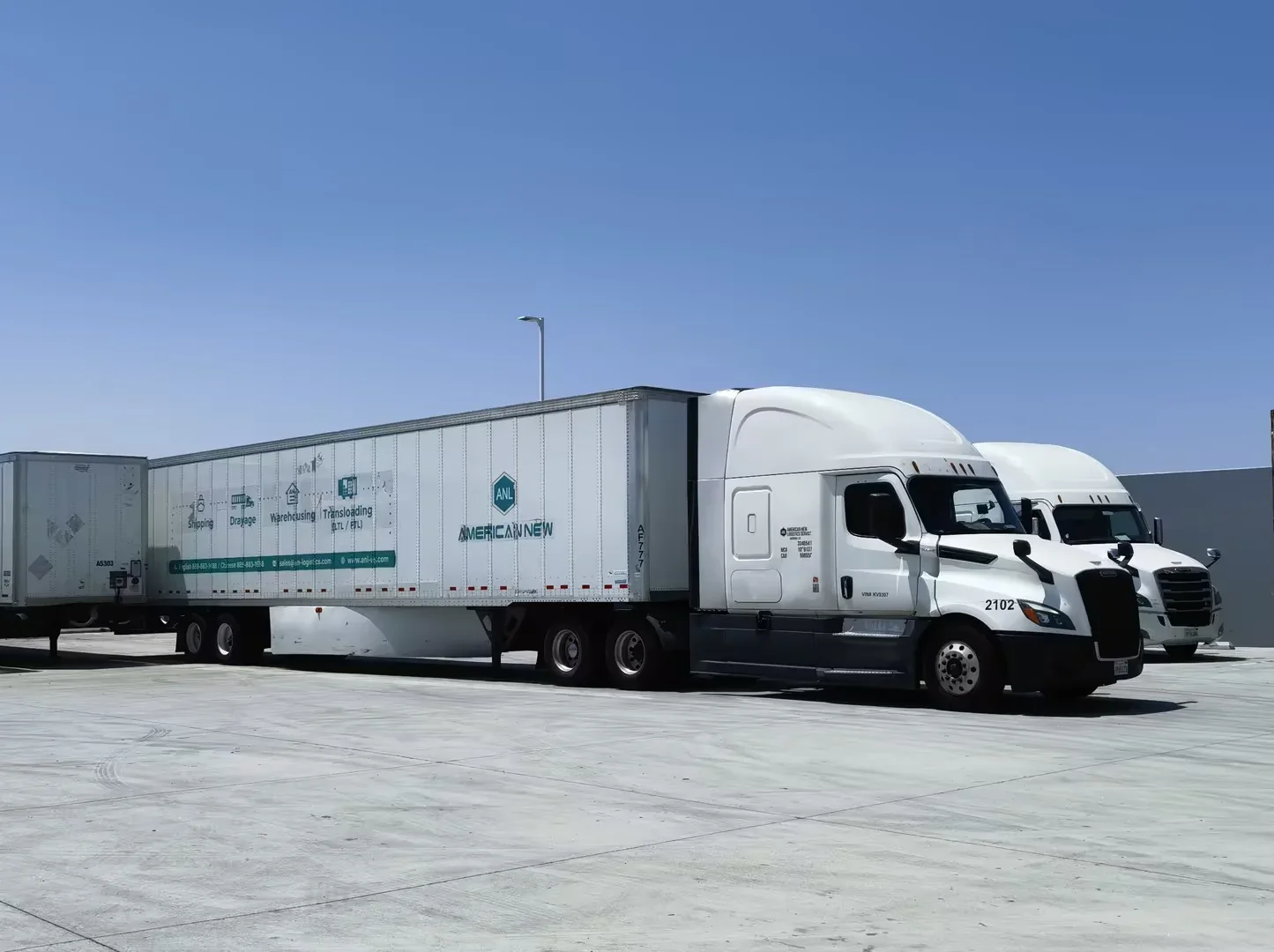
LTL (less-than-truckload) combines smaller freight shipments in shared truck capacity. FTL (full truckload) reserves a truck for a shipment. Cargo size, weight, handling requirements and route help determine which arrangement fits.
Use piece counts, dimensions and weight to review the appropriate transport option.
Coordinate pickup with cargo readiness and the agreed outbound schedule.
Identify appointments, access and unloading requirements before dispatch.
Move palletized and partial loads using shared truck capacity, with routing based on size, weight and delivery requirements.
Arrange full-truckload and dedicated-capacity moves for larger shipments, warehouse transfers and project freight.
Connect local and long-haul transport with warehouse appointments, distribution centers and commercial receiving points.
Share the cargo and route. Shipment configuration and receiving conditions determine the suitable transport arrangement.
For palletized commercial freight and partial loads using shared transport capacity.
Request LTLFor a full truck or dedicated-capacity requirement, including larger or route-specific loads.
Request FTLNot sure? Share your cargo and route
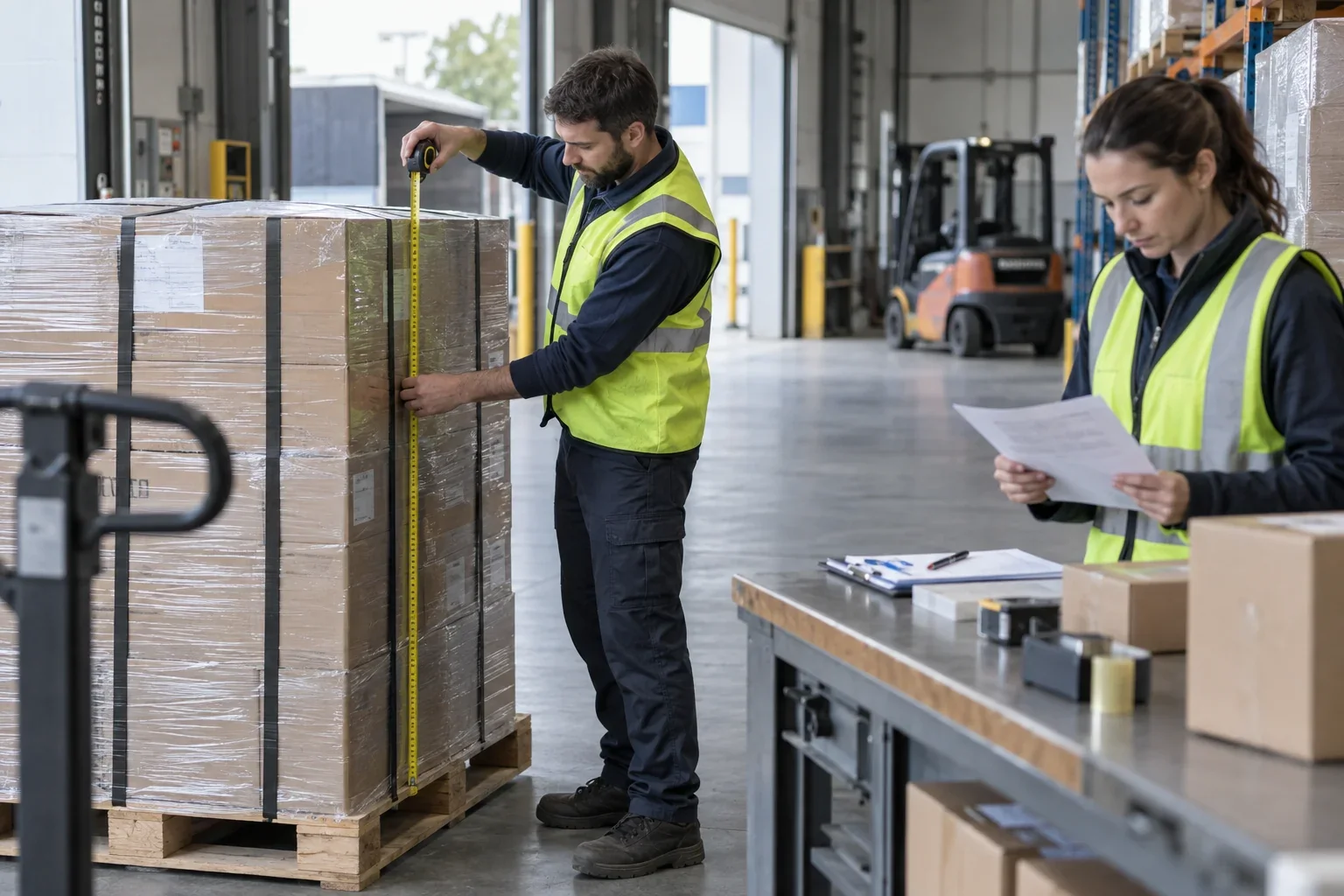
Confirm pieces, pallets, dimensions, weight and packaging.

Review capacity, route and handling needs for the actual load.
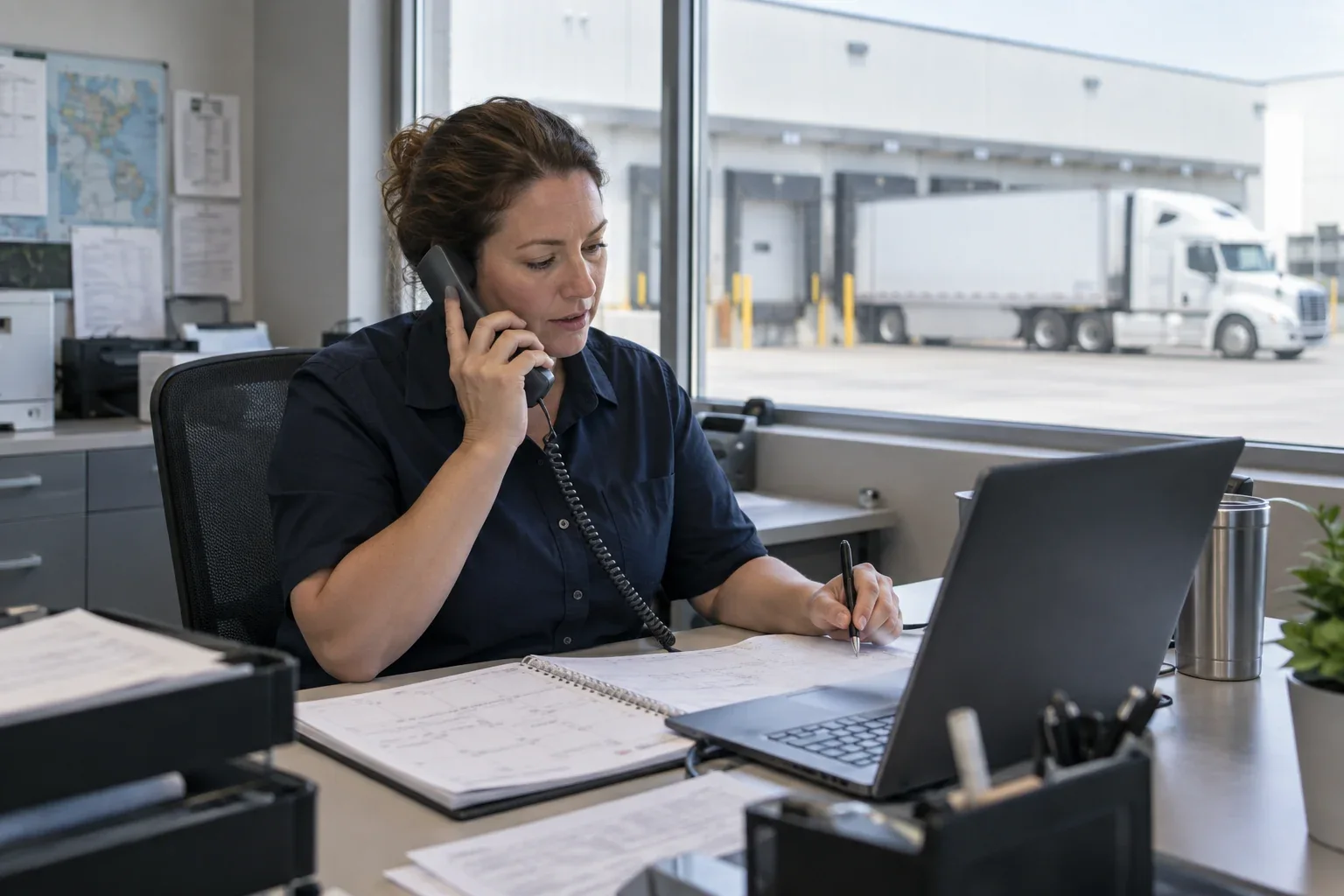
Agree readiness, appointment windows and unloading instructions.
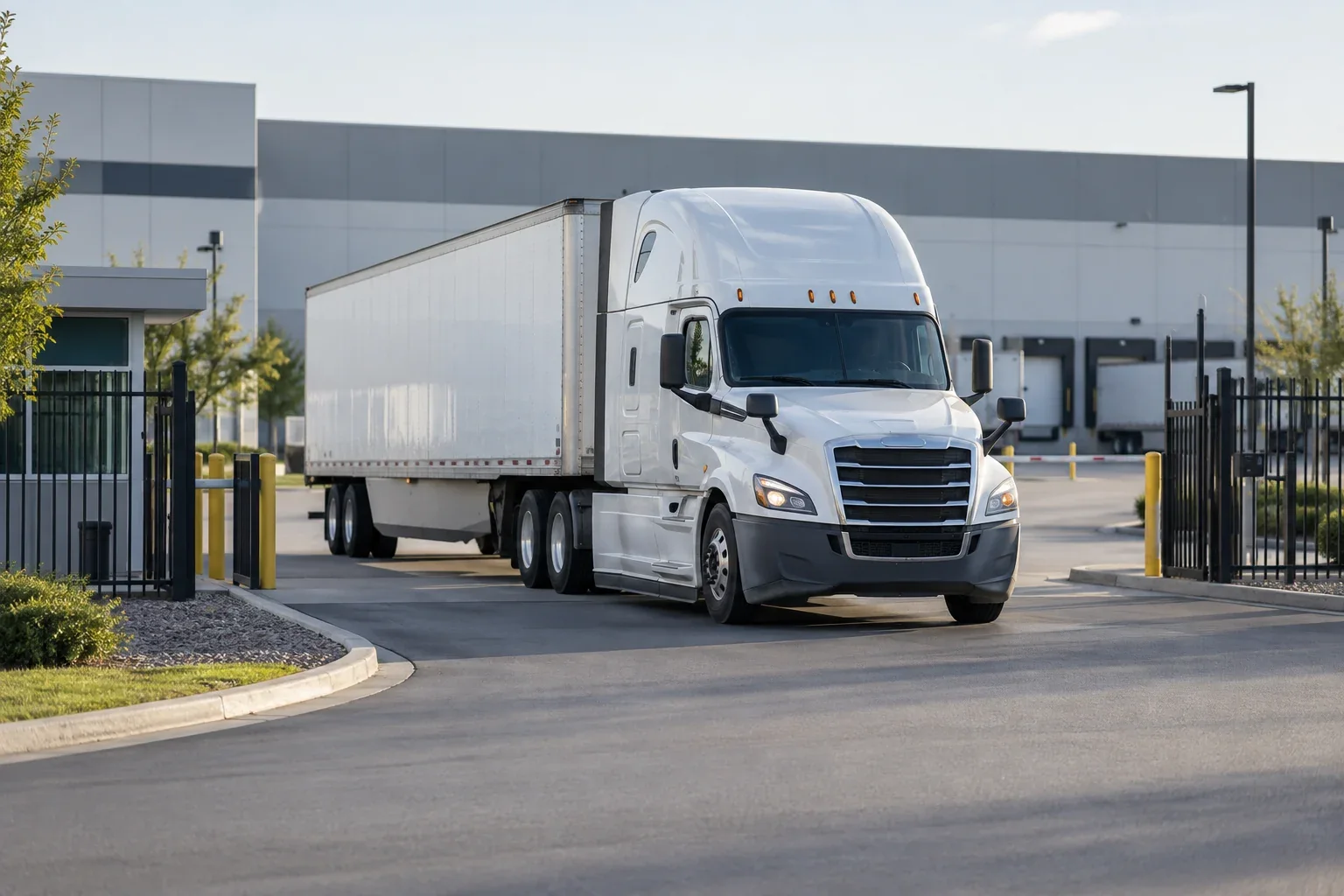
Dispatch the freight under the agreed transport arrangement.
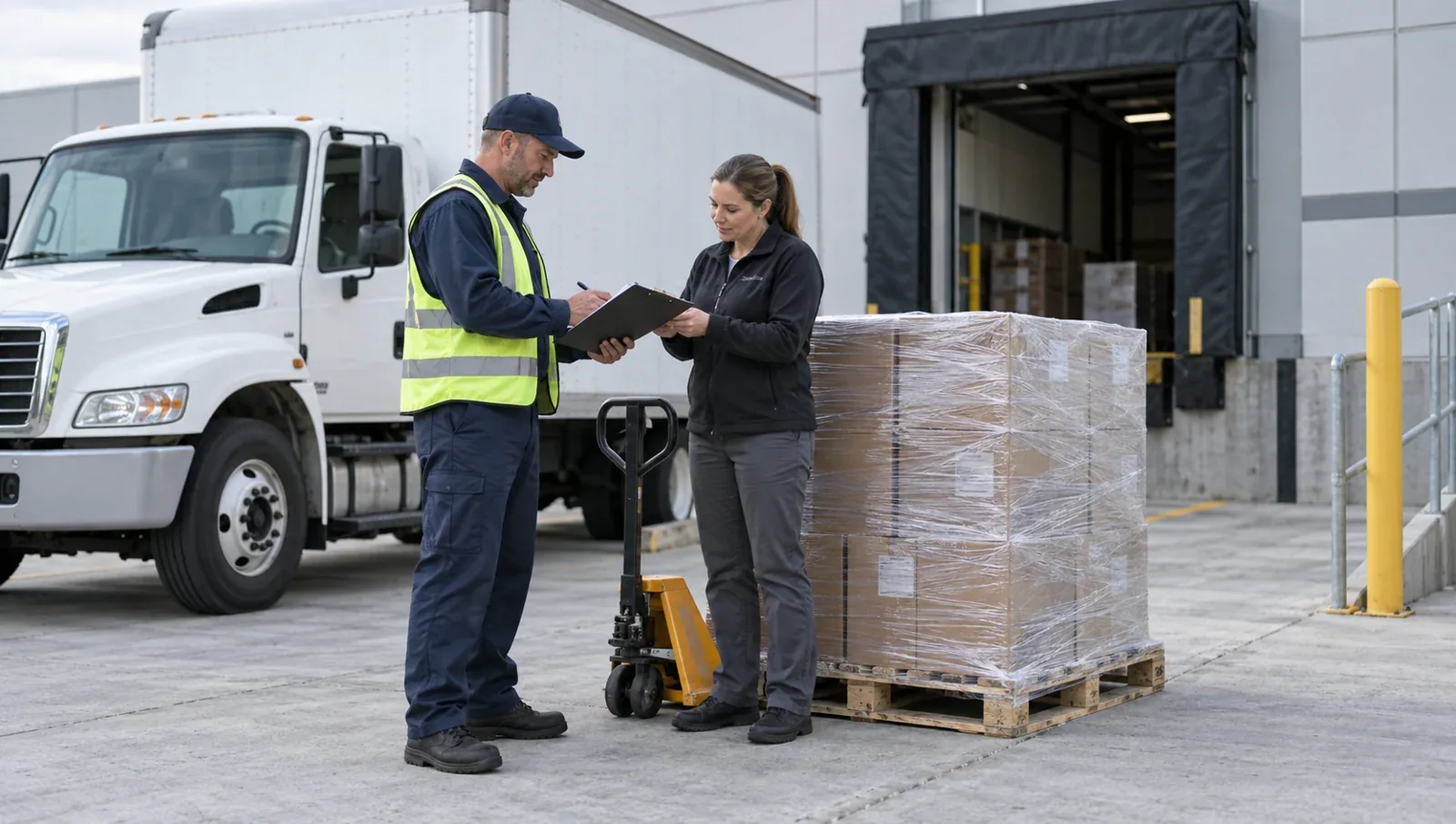
Complete the agreed delivery and receiving confirmation.
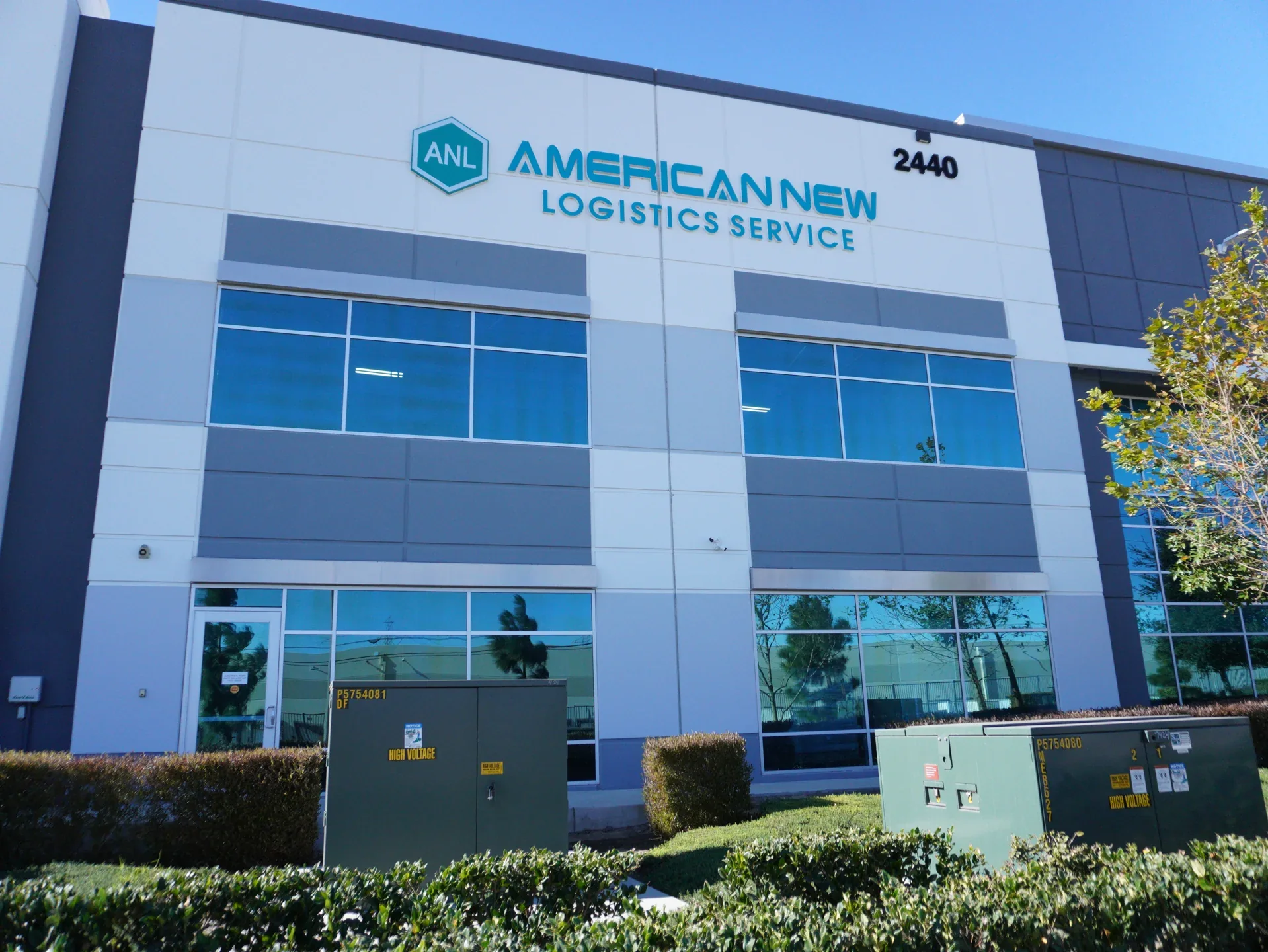
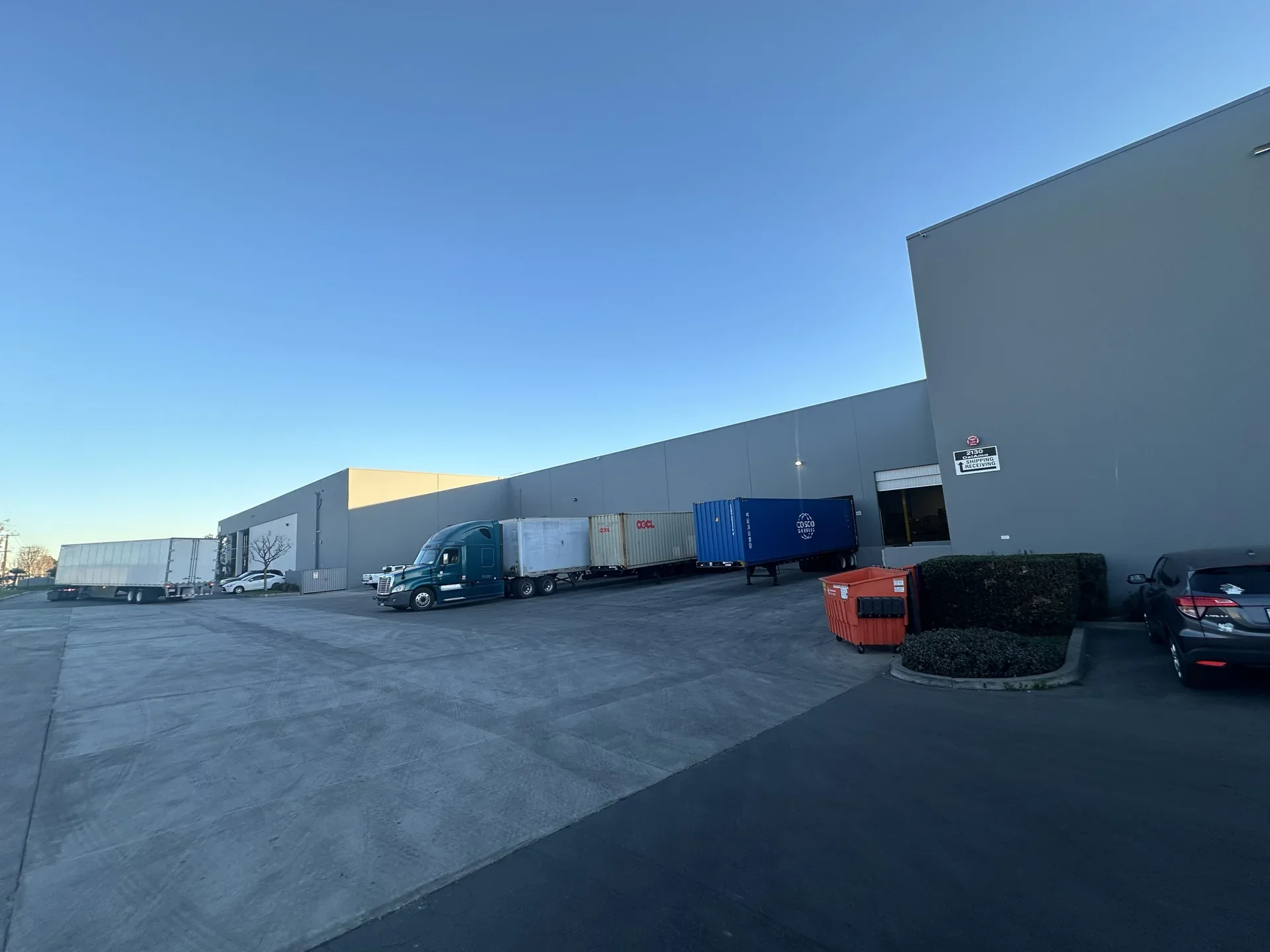
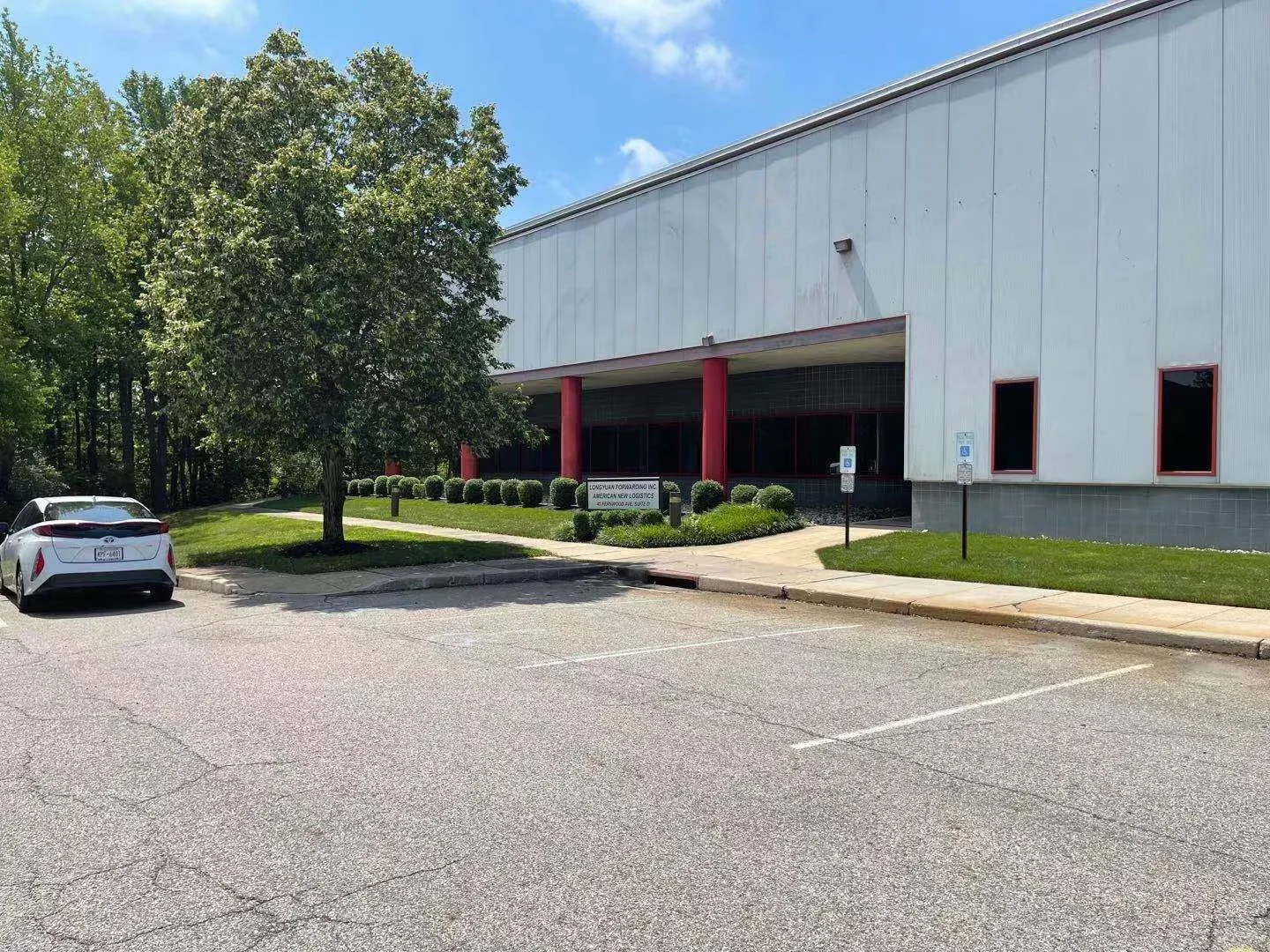
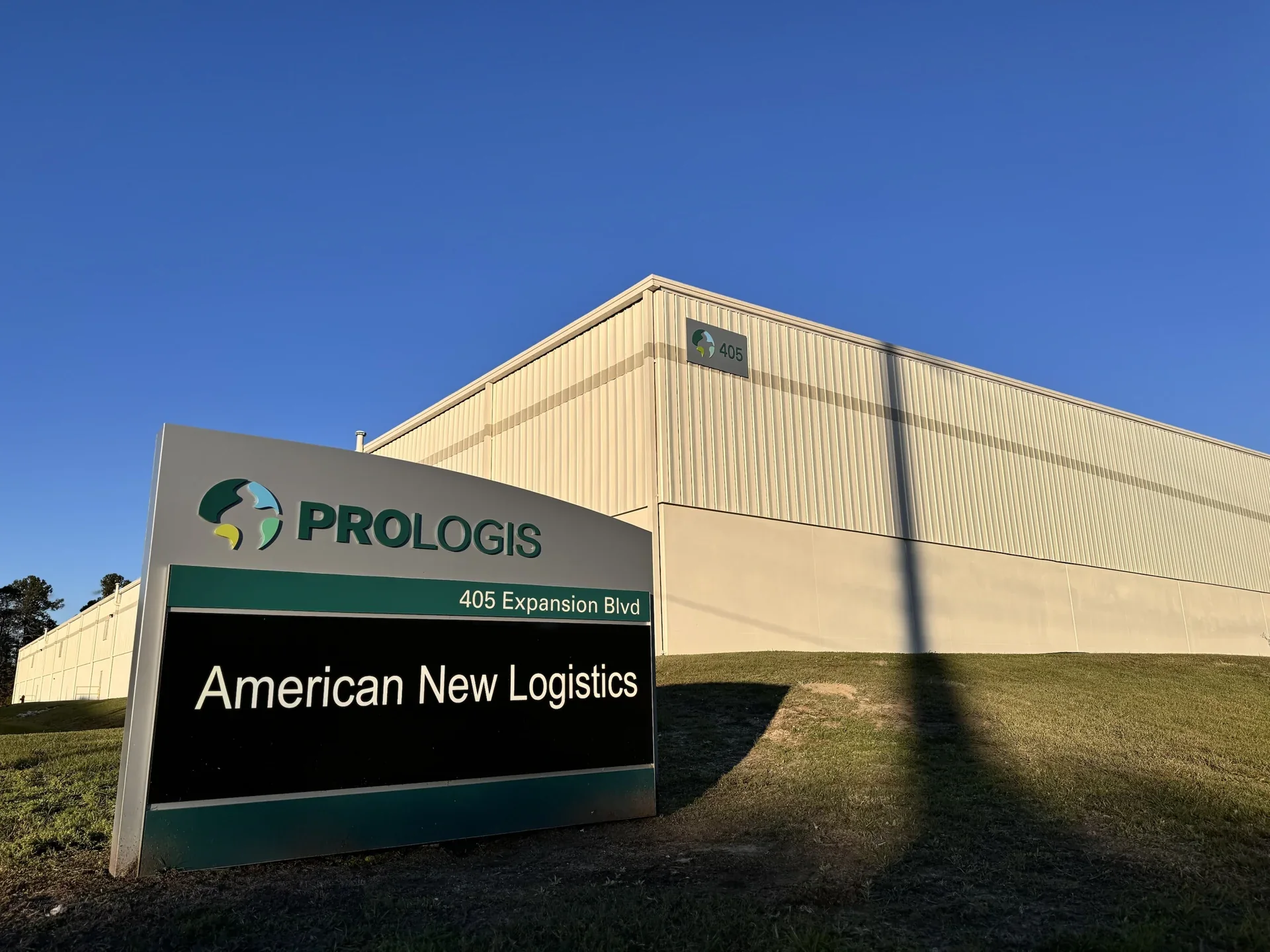
These facilities are operating points, not the limits of delivery coverage. Confirm the pickup and destination ZIP codes for each move.
Connect local and long-haul moves using our own trucking resources and partner carriers.
Align pickup with the cargo coming out of storage or transloading.
The route, collection point and receiving conditions inform transport planning.
Keep appointment and unloading instructions connected with dispatch.
Share both ZIP codes, pallet or piece counts, dimensions, weight, ready date and receiving conditions.