Container Unloading
Unload floor-loaded or palletized freight to the agreed handling plan.
Unload and reconfigure import freight around its next destination—then connect the cargo directly with storage, trucking or final delivery.
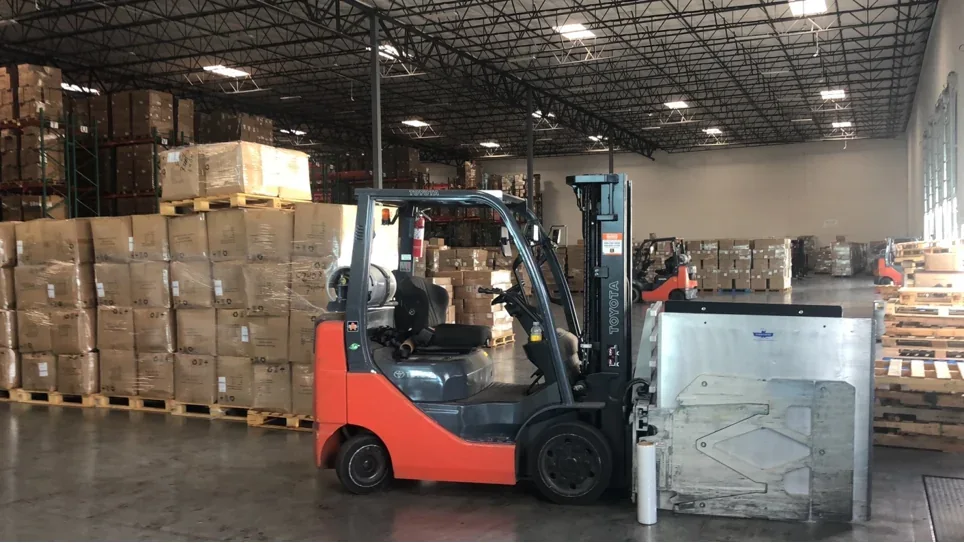
Transloading means unloading cargo from ocean containers and preparing it for domestic transport. Sorting, pallet preparation and reloading connect the inbound shipment with its next destination.
Prepare cargo around outbound equipment and destination groups.
Include staging or storage when the shipment needs it.
Connect handling with LTL, FTL or final delivery.
Unload floor-loaded or palletized freight to the agreed handling plan.
Separate cargo by shipment group or outbound destination.
Arrange and secure freight for its next transport leg.
Coordinate holding time between unloading and onward transport.
Prepare the outbound load for domestic trucking.
Connect handling with the agreed receiving arrangements.
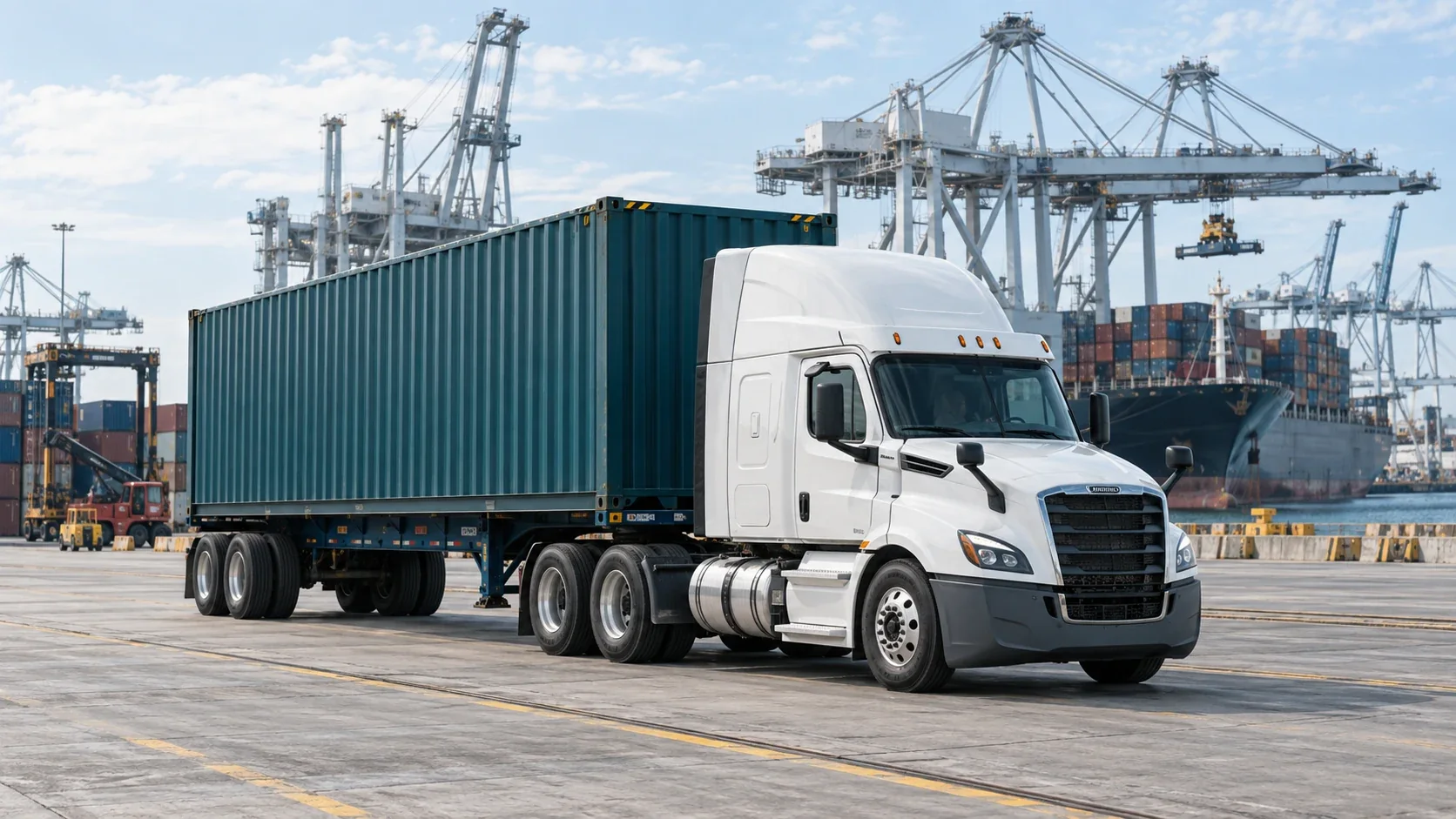
Coordinate collection from the arrival port.
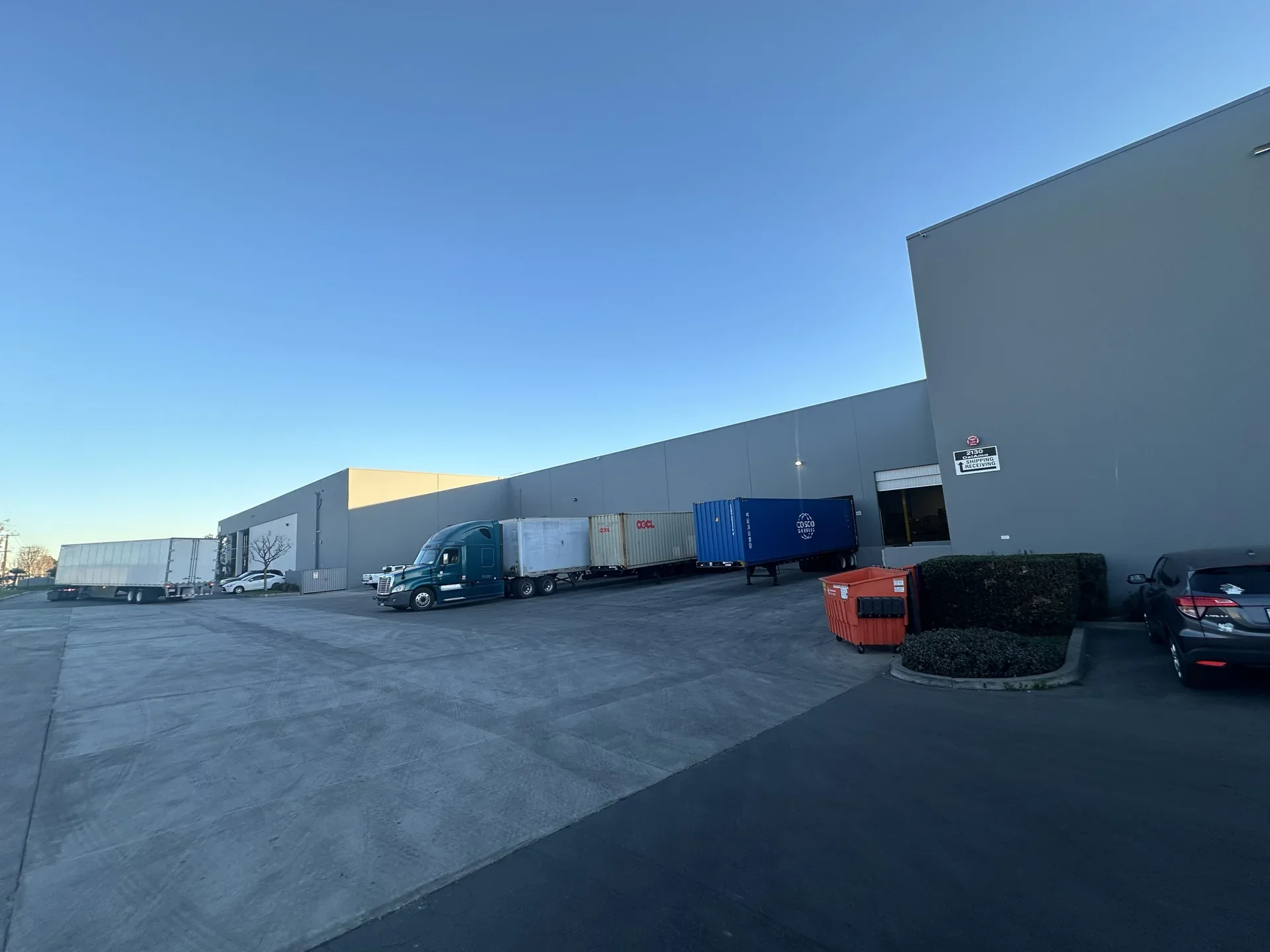
Receive the container at the handling location.
Unload and check the inbound cargo.
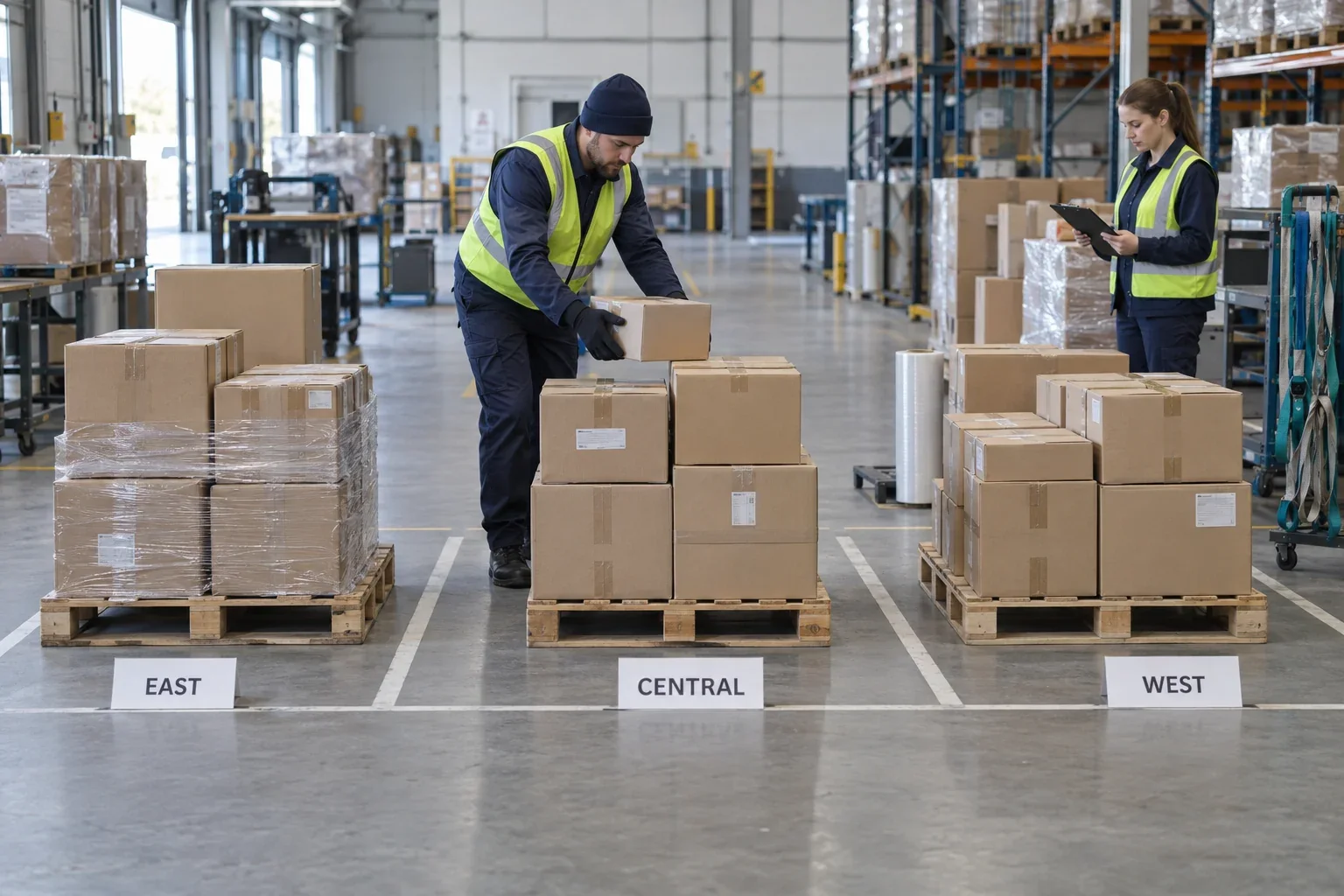
Group and prepare freight for outbound loading.
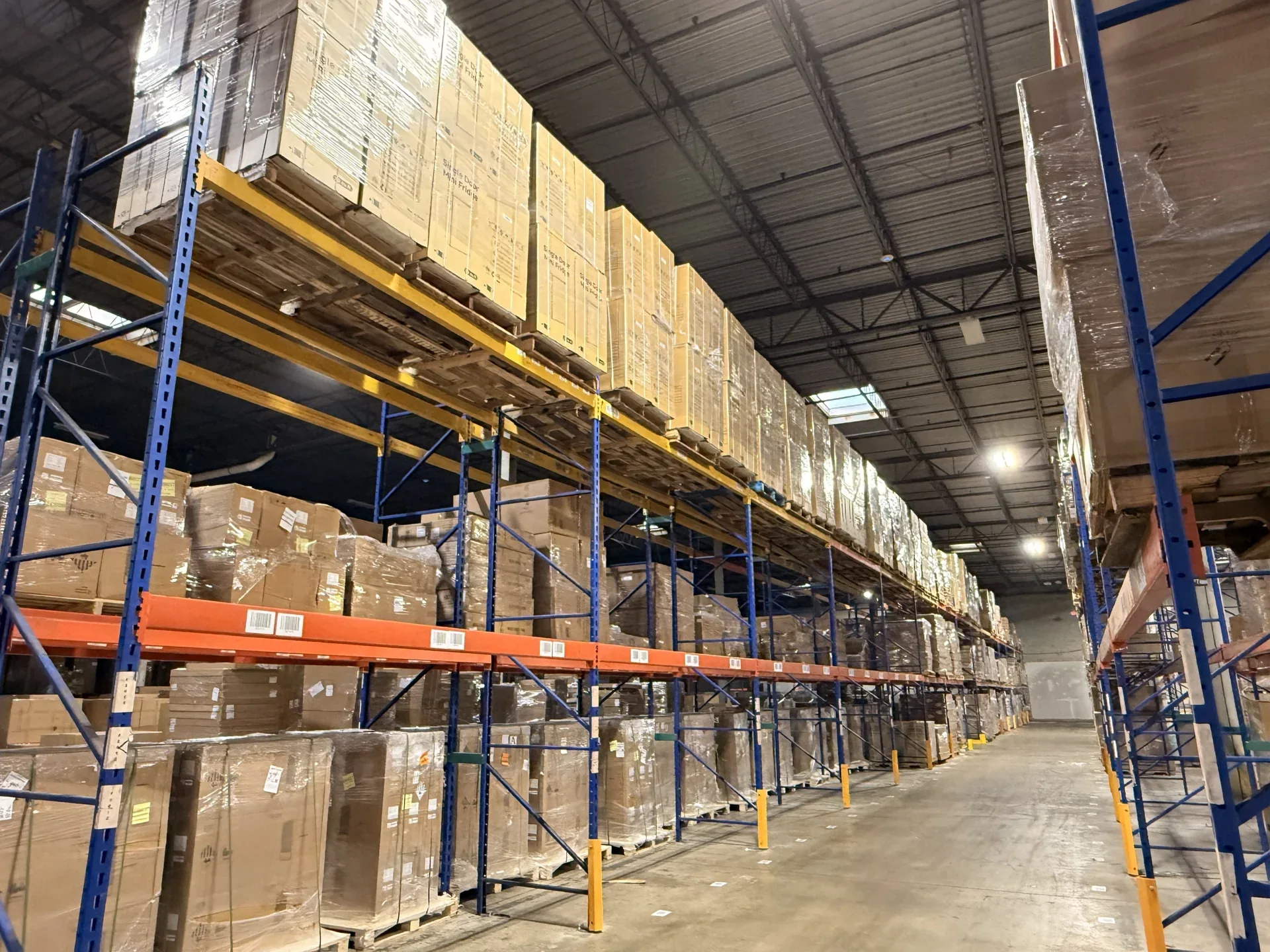
Hold cargo when the shipment plan requires it.
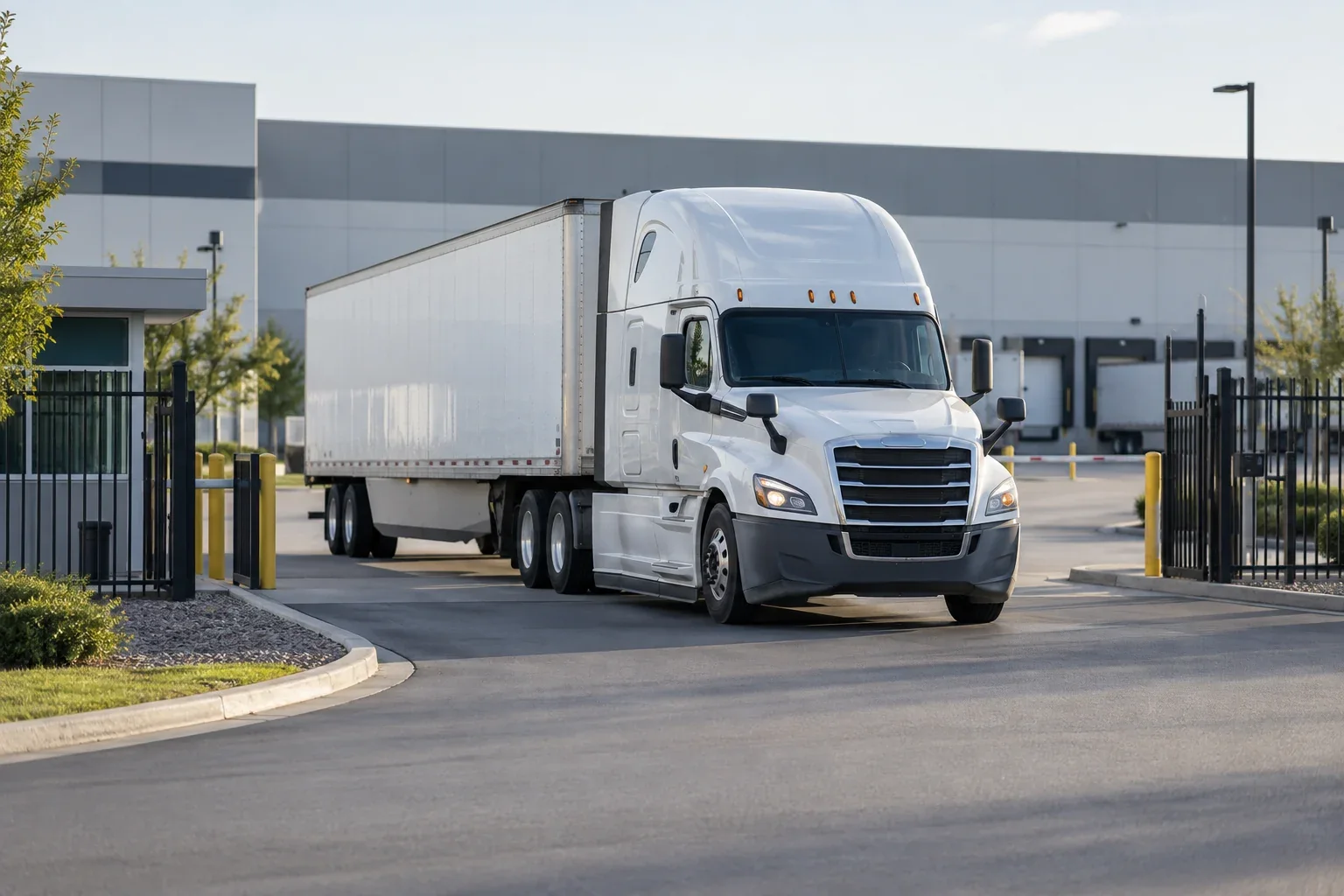
Move by LTL, FTL or final delivery.
Stages are planned around the shipment; storage and transport are confirmed as part of the requested scope.
Confirm the handling method, equipment and outbound requirements with the selected operating point.
ANL connects container unloading with the required freight preparation.
Plan pallet preparation and reloading around the next transport configuration.
Connect sorting instructions with the cargo’s agreed outbound destinations.
Add staging, warehouse storage or onward transport when the shipment needs it.
Share container type, cargo and packaging, piece counts, weight, destination groups and outbound loading requirements.